Office Rodent Control
Office Rodent Service
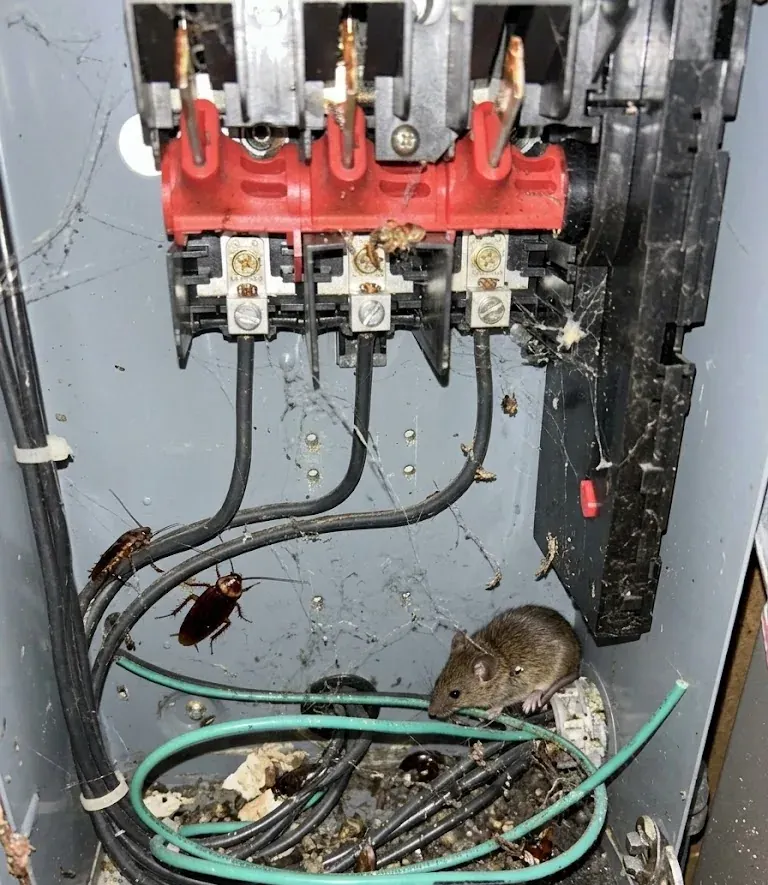
Plan warehouse rodent control around receiving flow, storage conditions, and clear records for every facility.
Warehouses can locate rodent activity by checking docks, staging areas, storage aisles, and packaging for signs, then recording findings by facility and zone. Access schedules and inventory procedures help shape the assessment and follow-up.
Warehouse rodent control starts with a clear view of how activity, access, and stored goods relate across each address. A rodent inspection can help set that scope; its cost depends on facility size, access procedures, operating hours, and how many areas need review. For South Bend locations, give the pros we connect you with a consistent site list and a contact for each building. That lets them compare conditions without treating separate warehouses as one identical space.
Warehouse mice can affect inventory even when packages look intact, so record the aisle, rack, and product area near each sign. Keep potentially affected goods identifiable while your own procedures determine whether they need to be isolated or reviewed. Fresh droppings, gnaw marks, or shredded nesting material can point to sheltered edges that need closer inspection. Clear locations make inspection findings easier to act on.
Rodents in storage facilities may move through areas with different access rules, from busy docks to quiet stock aisles. A single report that says only “near the warehouse” leaves the inspection unfocused. For each South Bend address, note the building, interior zone, shift, and time of observation, then mark those details on its own floor plan. This gives the pros we connect you with a usable starting point while keeping activity at one site from being confused with another.
An inspection can follow the route goods take through receiving, staging, and storage, then compare those areas with the building perimeter. The pros we connect you with may look for droppings, gnaw marks, nesting material, or sounds, since each can help show where activity needs closer review. They can also note openings around doors, pipes, or utility lines as possible access points. For a South Bend facility, the findings should identify locations clearly enough to guide the next service discussion.
Your staff’s observations help narrow the inspection. Ask them to record where a rodent was seen, what evidence remained, and whether nearby stock or packaging was disturbed; avoid moving suspect material before your site procedures are followed. A South Bend report linked to the correct address and zone can help distinguish a recurring dock concern from an isolated aisle observation. The pros we connect you with can use that account to check the relevant areas and explain what the findings support.
| Work area | What to note | Scope factors |
|---|---|---|
| Site identity | Facility name, address, and site contact | Keeps reports tied to the right location |
| Dock activity | Receiving bay and active work hours | Helps fit an inspection around loading |
| Observed signs | Date, location, and type of sign | Makes reports easier to compare across sites |
| Inventory impact | Product zone and review or hold status | Supports the site's stock handling decisions |
| Storage conditions | Pallet layout and accessible food sources | Highlights conditions to discuss during assessment |
| Site access | Escort rules and areas with restricted entry | Helps plan access to relevant warehouse zones |
| Device observations | Device location and condition at each visit | Directs attention to areas with ongoing signs |
| Visit outcome | Findings, assigned action, and review plan | Carries decisions forward between site visits |
Inspection access depends on the way each warehouse arranges stock and equipment. Tight rows can block a view of wall edges or floor space, while clear access may let the inspection cover those areas more directly. Before the visit, identify restricted rooms, escort requirements, protective equipment rules, and any areas that cannot be entered during production. For South Bend sites, sharing these limits across the address list lets the pros we connect you with plan each visit around the building’s actual conditions.
Dock activity changes what can be inspected safely and when. Share receiving windows, shift handoffs, and periods when a lane can be cleared, along with doors that must remain open for operations. The pros we connect you with can then coordinate access without interrupting normal movement of goods more than necessary. If South Bend facilities run different schedules, list those differences by address; one shared appointment window may not fit every location or provide a useful look at each loading area.
Where food or other sensitive goods are handled, explain the storage rules, sanitation process, and response steps for damaged packaging before inspection begins. Staff should follow their established procedures for affected product and avoid stirring up dust when dealing with droppings or urine, which can carry germs. In South Bend, provide the relevant site contact and handling requirements for each facility. That helps the pros we connect you with respect operating controls while examining nearby activity.
Monitoring is more useful when device locations correspond to known activity zones and can be checked without disrupting warehouse work. Ask the provider to explain where devices will be placed, who can access those areas, and how checks will be documented under the service plan. A South Bend site record can identify each device by building and interior zone, so a missed check or new sign does not get attributed to the wrong address. Follow-up timing should be confirmed with the provider.
Keep service notes tied to a date, address, and precise location. Include new sightings, evidence found, inventory nearby, access limits, and what changed since the prior visit. A record for a South Bend warehouse should also identify who reported the issue and who received the update, so information can pass between shifts without losing context. When notes show activity continuing in the same zone, the pros we connect you with can assess whether the plan needs attention.
Inventory protection depends on knowing which goods were near the reported activity and whether their condition changed. Your team can mark affected lots or storage zones, note damaged packaging, and document any movement made under internal handling rules. Do not assume that a clean-looking package resolves a concern; follow the facility’s review process. For South Bend locations, keeping this information by address prevents a report at one warehouse from prompting unnecessary handling of goods at another.
A reliable shift handoff keeps observations and access details from disappearing when staff change. Pass along the affected zone, recent signs, open restrictions, and any pending inspection or device check; name the contact responsible for updating the record. If you manage facilities in South Bend, Granger, and Mishawaka, keep each address’s notes distinct while using the same reporting fields. That gives the pros we connect you with a consistent way to understand separate sites without assuming their conditions match.
A multi-address scope should make clear which buildings are included, which areas need attention, and what operating constraints apply at each one. Ask for findings and service notes to be identified by location, so recurring activity can be compared without blending separate warehouse records. In South Bend, this can matter when one facility has an active receiving concern and another has no recent report. A shared format helps you see those differences and decide where follow-up is needed.
Before arranging a site assessment, gather recent sightings, affected inventory zones, dock schedules, access restrictions, and a map for each address. Include the name of the person who can arrange entry and explain local handling rules. If you use landmarks such as Potawatomi Park or Rum Village Park to orient a South Bend address list, pair them with the complete site address so locations remain unambiguous. The pros we connect you with can then review the scope and coordinate the visit around your operations.
For a warehouse in South Bend, a rodent inspection’s scope depends on how goods move through the building, which areas can be reached, and where signs have appeared. A dock with frequent activity may need a closer look than a quiet storage aisle, while restricted or food-handling zones can affect how the visit is arranged. Across several addresses, share each facility’s layout, recent sightings, inventory concerns, and access limits so the assessment can account for differences between sites.
Homeowners can follow these St. Joseph links to see where the pros we connect you with may discuss rodent activity and control options for houses, includingOsceola, South Bend and Granger. Confirm whether the first appointment and a return appointment have separate fees, and ask how travel is handled for your address.
A warehouse quote often starts with each scheduled service call, then reflects the area covered and the visit pattern; $80–$175 gives a guide figure. Inventory density, loading zones, access gaps, and the planned scope for inspection, traps or bait stations, exclusion work, and device checks can affect the estimate.For a South Bend business, the area needing attention, access constraints, device locations, and any requested sealing can change the materials and labor in the plan, which changes the quote. When you call, describe the building’s use, affected rooms, and signs found so the pros we connect you with can size the work.Find complete rodent-control band details in pricing guide; commercial overview outlines the parts of a scheduled program.
Office Rodent Service
South Bend Restaurant Service
South Bend • Howard Park
Begin where shipments arrive and move onward: check dock edges, nearby staging space, and the paths leading into stored goods. Look for droppings, gnawing, or disturbed packaging, and have the pros we connect you with inspect perimeter areas and other accessible locations. In South Bend, mark each finding on that building’s own layout so staff can direct attention to the same area during later checks.
Use consistent terms for comparable locations, such as receiving, bulk storage, or returns, so findings can be compared across facilities. That makes it easier to see whether signs cluster around one type of operation or appear in different parts of the network. Include the facility address and a clear zone label, and keep South Bend notes distinct from records for other locations.
Tell the service provider when docks are active, which shifts can provide access, and which rooms require an escort or special handling. A South Bend warehouse may have different operating limits from another address, so confirm the schedule and site contact separately for each visit. This helps the pros we connect you with plan which areas can be reviewed without interrupting essential work.
Keep suspect packages apart from goods cleared for normal handling, following your facility’s product and food-safety procedures. Record the affected product area and tell the responsible staff member before moving or disposing of stock. If droppings or other contamination are present, avoid stirring up dust during cleanup and follow the site’s established safety process.
For a South Bend assessment, gather facility layouts, sighting locations, inventory concerns, operating schedules, and access limits for each address.
Call (574) 891-1078