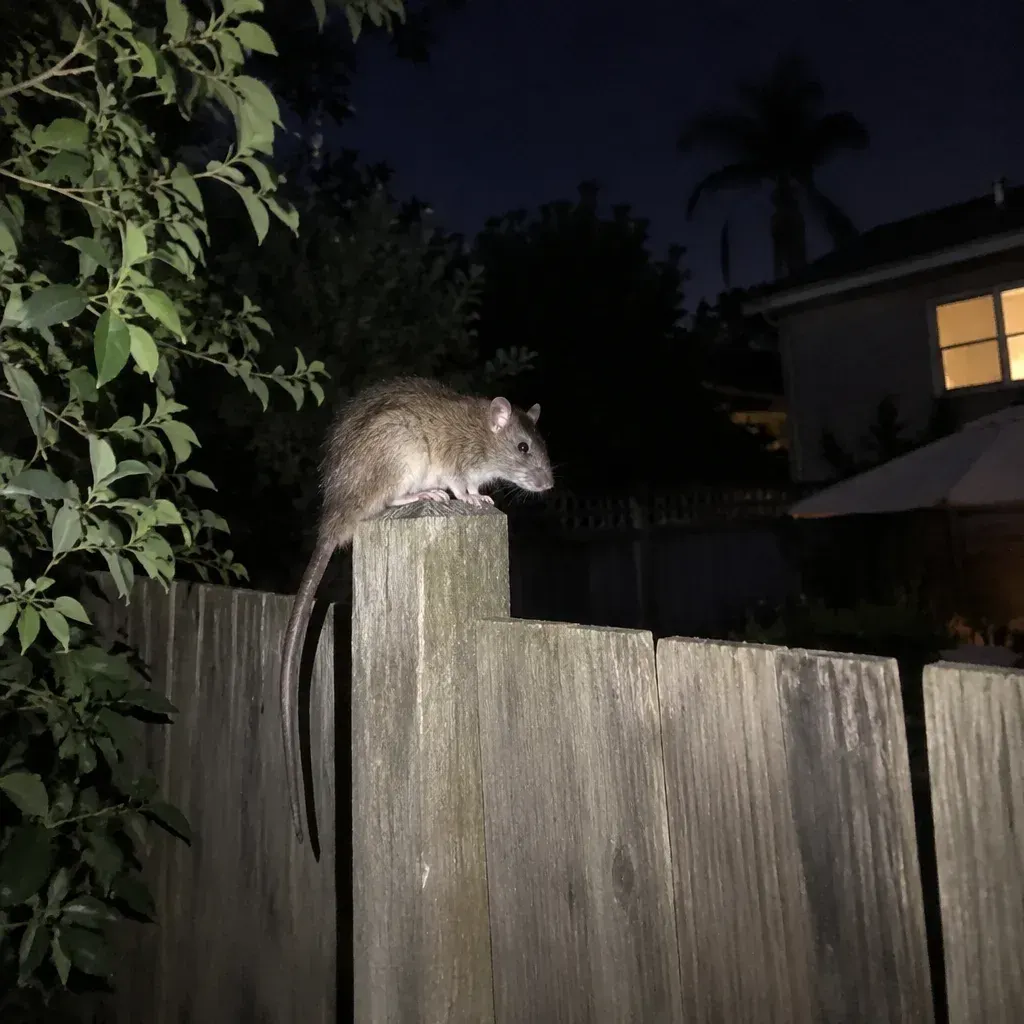
Accessible Food Can Sustain Indoor Activity
South Bend’s heavy winter snowfall can make roof edges harder to access safely, so an inspection may need to account for weather conditions. Around Rum Village Park, as elsewhere in the city, the property’s own openings and signs should guide the assessment.
South Bend has homes across different neighborhood settings, and a ranch roofline presents different inspection access than a split-level attic. Near Howard Park, the same practical question applies: where can a provider safely check for signs and elevated openings?
Residents and people responsible for buildings in South Bend or the wider St. Joseph County area may seek information about rodent control. Providers set their own geographic limits; sharing the address helps establish whether they handle inquiries for that property.
Keeping Children and Pets Safe
- CLUES
- Droppings or gnawing near an attic or eave can guide an inspection, but neither sign alone confirms roof rats.
- ROUTES
- A provider can assess upper routes and openings without asking you to climb onto the roof.
- ACCESS
- Traps and bait address activity where devices are placed; placement, access, and checking affect their usefulness.
- OPTIONS
- Sealing an identified opening can reduce access, while monitoring helps assess whether activity continues.
- CHECKS
- Ask how the pros we connect you with will inspect elevated access, check devices, and decide whether follow-up or prevention steps fit your property.
- CONTROL METHODS
- Near Potawatomi Park or Rum Village Park, summer heat can widen joints as materials expand, while winter cold stiffens seals. Freeze-thaw shifts can reopen small gaps, and seasonal dust or grit may mask fresh gnawing near elevated entry routes.
- SAFETY NEEDS
- an estimated $325–$575
A Single Sign Cannot Set the Cause
Weather damage can leave marks around roof edges that resemble gnawing. The surrounding evidence and an inspection help distinguish material wear from rodent activity. Compare the location and pattern of the damage with nearby signs such as droppings or gnawing. Weather-related wear may occur without those clues, but a visual check from the ground cannot settle the cause. Have an inspector assess the material and surrounding route.
Closing Routes Into the House
The pros we connect you with can begin by reviewing reported signs and examining accessible attic spaces, roof edges, and elevated openings. They use those findings to assess likely routes and select device locations. Traps or bait may be considered where activity and safe, practical access support their use.
The plan may include sealing identified access gaps and checking for continued activity. Traps and bait address rodents where devices are placed; they do not close an opening. Sealing can limit entry but will not remove animals already inside, so the provider may recommend combining steps based on findings.
A single service call can be reasonable when inspection finds a confined route, its source is understood, and practical access corrections are addressed. If signs appear in several areas, openings remain unresolved, or devices need observation, ask whether a scheduled plan is warranted and what each return check would establish.
HOW SERVICE PLANS TRACK SIGNS THAT REMAIN AFTER TREATMENT
| Food Access |
Review control choices |
|---|
| One localized sign at an early stage | Child-and-pet safeguards |
| Repeat signs despite earlier pest measures | Food-source control |
| Open access seams with fresh activity evidence | Entry routes limited; devices inspected |
ENTRY POINTSFor residential baiting in South Bend, ask the invoice to list the product used and its placement so you can review precautions for children and pets. EPA-registered rodent products must be used within their label directions; the city has no verified citywide residential rodent-control mandate.
Evidence in Protected Home Spaces
If roof rats keep moving through an attic, they can gnaw materials and contaminate stored items with droppings or urine. Damage left unnoticed may require both repair and careful cleanup. Keep away from affected insulation or debris, and ask a provider to assess the area before deciding what needs attention.
Reduce Shelter Beside Foundation Walls
From indoors, note sounds, droppings, or damage and photograph signs you can reach without risk. Keep children and pets away from affected spots and any control devices. Avoid using household sprays around suspected activity before the inspection. Store food in closed containers, then leave elevated inspection and treatment to the pros we connect you with.
Health Concerns Around Rodent Signs
Mention any droppings, gnaw marks, or sounds you have noticed during the inspection, including signs in areas you cannot safely reach. Keep people and pets out of affected areas, and do not handle bait or traps placed for service. Ask the provider how to manage cleanup and what precautions apply to any products used. If you cannot reach a sign safely, leave it for the inspection.
How Do Inspection Findings Shape the Fee?
Ask the pros we connect you with to explain how the service scope they recommend affects the estimate, based on what they observe at your property.In South Bend, any guide estimate applies to the inspection and control work described; repairs, added monitoring, or exclusion beyond that outline can change the total. Before scheduling, ask whether the visit itself carries a charge and have the pros we connect you with state the precise tasks included. The findings and agreed scope set the final amount.pricing guide. For an outline of inspection and control steps, read Rat Control.