Accessible Food Can Invite Indoor Activity
As South Bend approaches its snowy season, a home’s indoor supplies and sheltered spaces can become relevant rodent attractants. Food left accessible in a pantry, cupboard, or work area gives rodents a reason to investigate rooms where they can also find cover. The useful review is practical: notice what is reachable, where water collects, and which stored areas remain undisturbed. A house near Potawatomi Park still needs that same indoor check; the landmark does not tell you what is available inside.
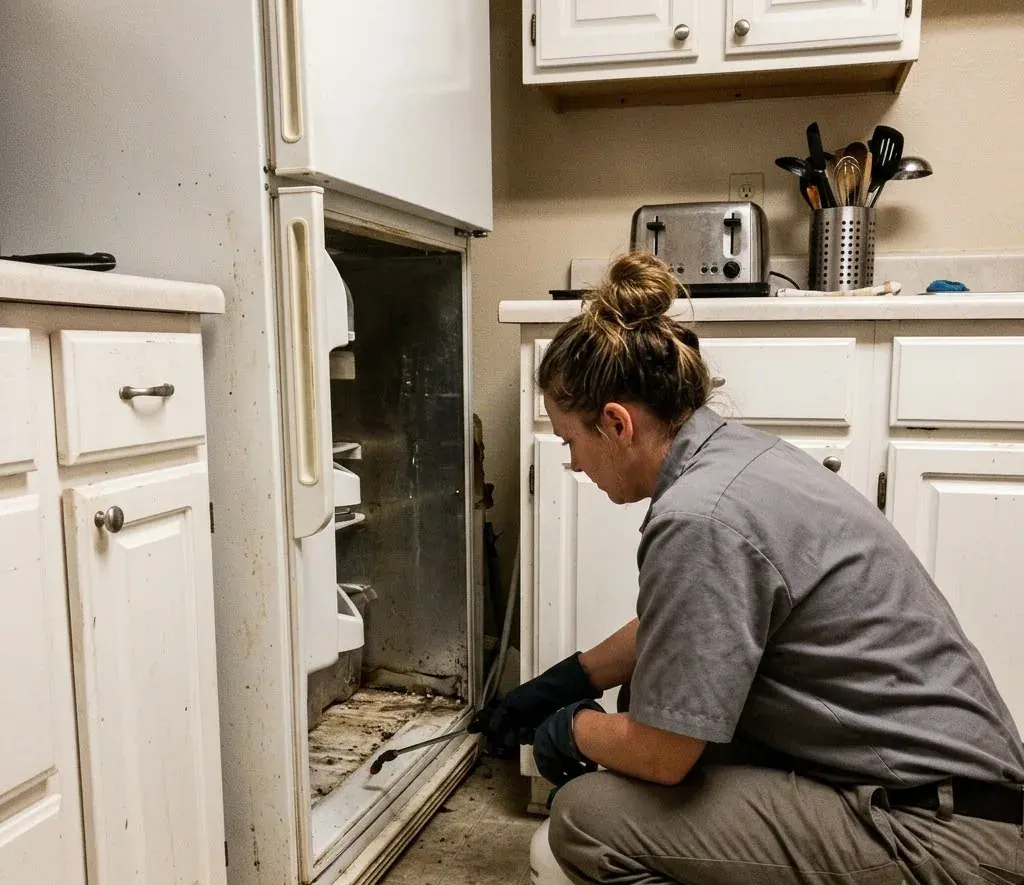
Seasonal stocking can leave more dry goods within reach, especially when bags or thin packaging sit low in a cabinet. A mouse that finds an accessible supply may return to that spot, so the amount stored and how it is contained both matter. In South Bend, check pantry shelves and food-preparation areas before winter weather makes an indoor source more convenient to overlook. Sealed containers and clearing crumbs can reduce access to food, though they do not close routes into the house.
Leaks Keep Indoor Water Available
Water can sustain activity even when food is put away. A slow drip at a plumbing connection, a damp floor beside a utility fixture, or water left in a shallow container can provide a nearby source. South Bend’s winter snowfall makes it useful to include indoor moisture in a seasonal home review, especially in basements and laundry areas. If a leak persists, repair the source; drying the visible surface alone leaves the supply in place.
Some wet spots are easy to miss because they sit behind an appliance or beneath a sink. Check pipe joints, the area around a water heater, and laundry connections for recurring dampness or pooled water. A persistent musty odor or fresh staining can point to a leak that has not fully dried. Stop if a repair involves wiring, a major leak, or work beyond your ability, and use a qualified tradesperson.
Stored Materials Offer Protected Spaces
Stored items can offer quiet cover when they leave narrow, rarely disturbed spaces. Cardboard, paper, fabric, and other loose materials may also be taken into a sheltered spot, so packed corners can serve both as hiding places and as nesting resources. In South Bend, inspect basement shelves, closets, and under-stair storage before winter snowfall keeps those spaces closed up for longer stretches. Small openings along a wall can give pests a path into otherwise tidy storage areas.
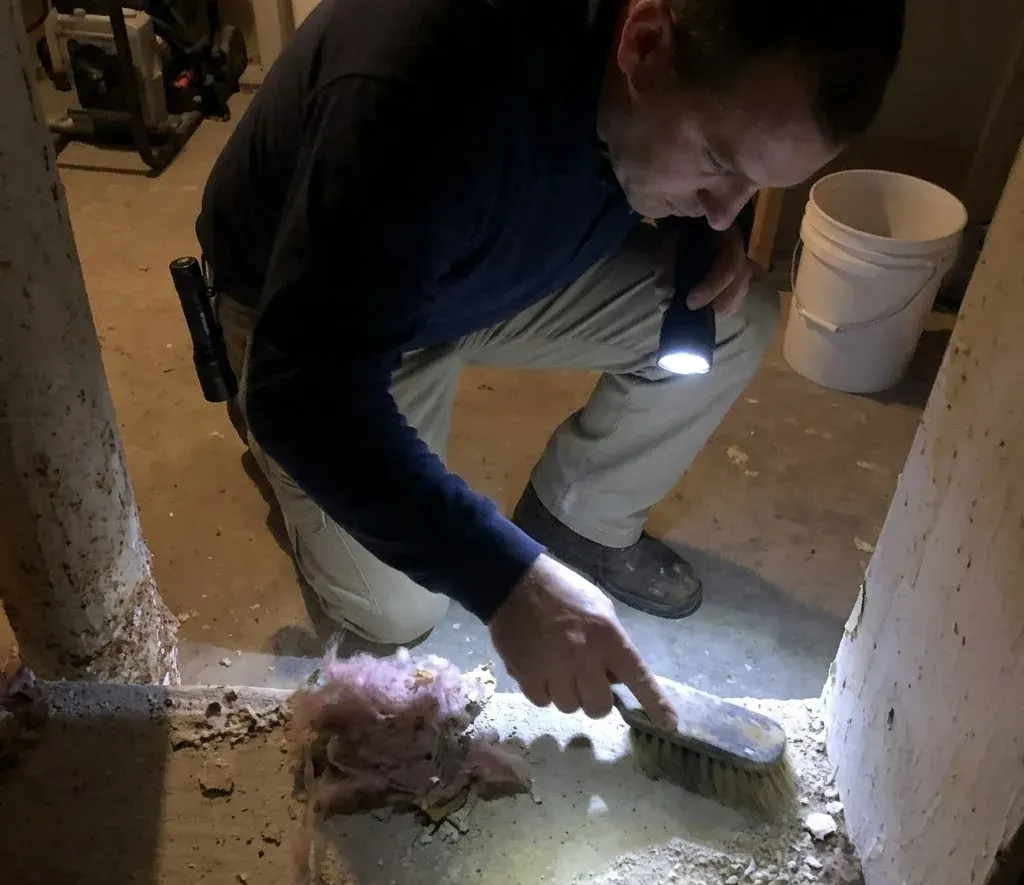
The position of stored belongings affects what you can notice. A stack pushed tightly against a wall can conceal a small sheltered space and make new signs harder to spot; a clear edge lets you inspect without disturbing the whole area. Around South Bend, whether a home is described by Rum Village Park or another familiar landmark, storage conditions inside still determine how easy a space is to check. Move items carefully, and avoid sweeping dry debris that may contain rodent waste.
Small Openings Provide Routes Inside
Food, water, and cover matter only if rodents can reach them. A narrow gap around a pipe, a loose door edge, or an opening where a utility line enters can provide a route inside; mice and rats can use openings that may be easy to miss. In South Bend, winter is a sensible time to look over accessible foundation and doorway edges before snow and cold weather complicate repairs. Do not seal a gap until you understand what passes through it and can use a suitable repair.
A useful seasonal review connects indoor sources with possible access. Note reachable food, recurring dampness, sheltered storage, and visible gaps, then address the sources you can safely manage. In South Bend, directions may use McCoy's Creek Trail as a familiar reference, but the house itself determines which attractants are present. To prevent rodents, keep supplies contained, correct leaks, and maintain clear storage areas; if signs continue or an opening is uncertain, the pros we connect you with can assess the conditions and explain next steps.
Dealing with rodent activity in your home?
Note which areas you have checked before deciding how to proceed. Ask what information is useful when checking whether a visit is available. Avoid stirring up dust if you clean contaminated material. Ask the pros we connect you with whether they serve your address; if you are asking about Baugo Creek, Osceola, or Niles, confirm that too. Check visit availability, timing, and any charges directly with them.