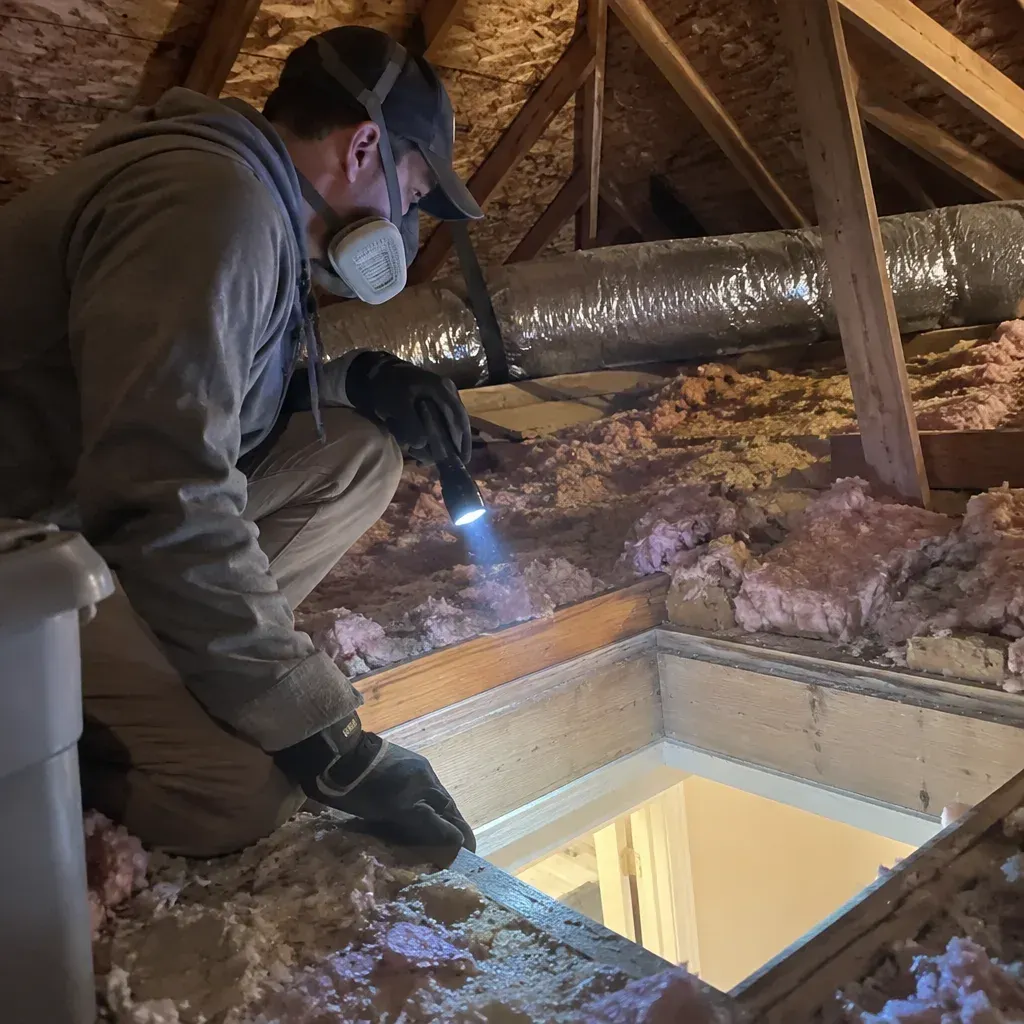
How Many Mice?
One mouse cannot give you a reliable count. Learn which clues may suggest more activity, what food and access changes can help, and when South Bend homeowners may want an inspection.
Read article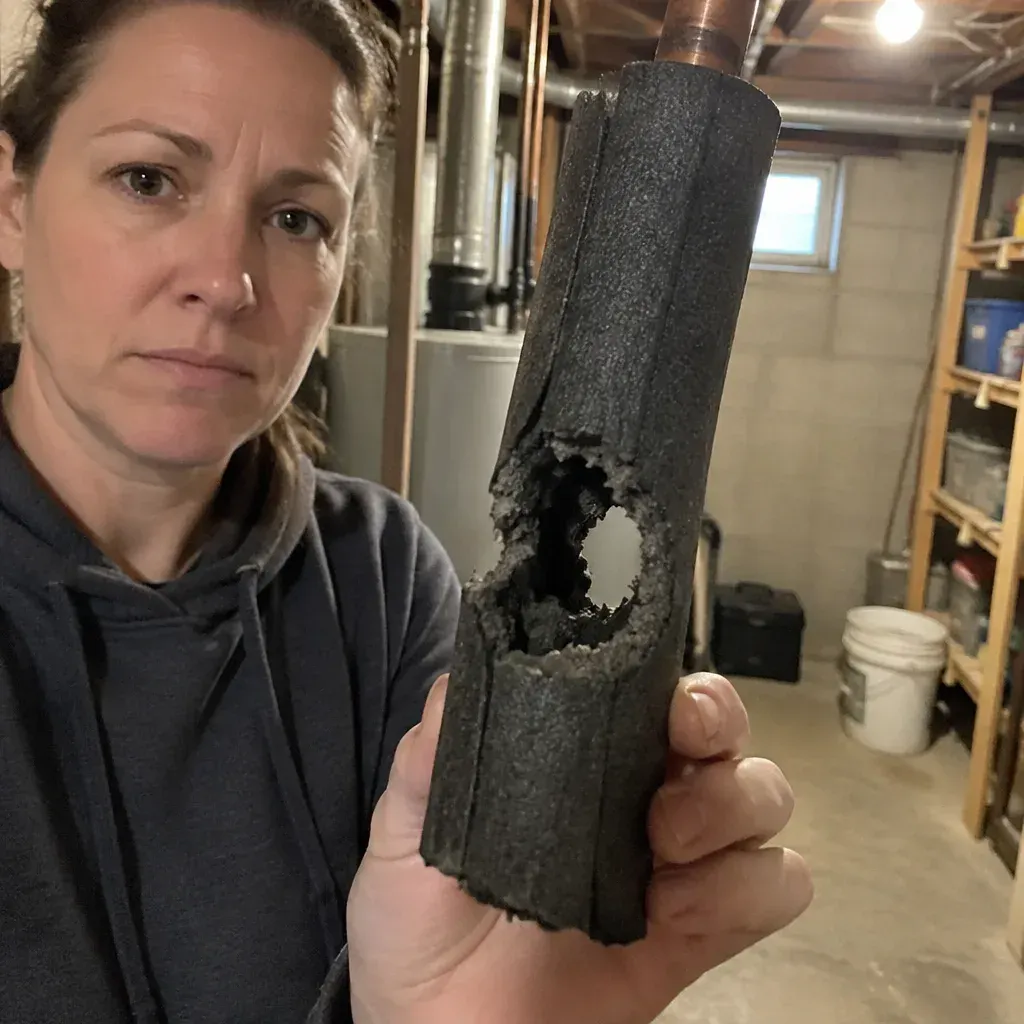
A site review helps guide bait choice and placement for rats or mice.
In South Bend, winter snow can cover gaps at a foundation or beside a utility line just as rodent signs appear indoors. A home near the St. Joseph River or Leeper Park still needs its own inspection; the setting alone does not show where rats or mice travel. Droppings, gnawed packaging, or sounds behind a wall can help narrow the search. Bait only makes sense when those clues point to a usable placement area and the site can be assessed safely.
A South Bend baiting visit starts with the signs inside and the places rodents may be entering, then moves to whether bait fits the evidence. The pros we connect you with can consider the building’s layout, access to likely travel routes, and any conditions that could interfere with placement. Those details affect the work involved and its timing. If bait is poorly located or activity is misread, it may not address the route rodents are using. Ask what the inspection supports before agreeing to a plan.
Food kept within reach can sustain rodent activity, so Rodent Baiting across Granger, Mishawaka and Osceola may include looking at storage and cleanup habits alongside the building itself.
A homeowner planning rodent service can review residential rodent control; those responsible for rentals or commercial sites should turn to commercial rodent control.
Chewed edges on food containers can reveal repeated access, even when droppings are not visible around the storage area. In South Bend homes, the finding matters because bait placed away from that path may go untouched. An inspector can compare the evidence across the room and check whether a bait location is practical. Keep food sources in view during that discussion; accessible crumbs can compete with bait and make the activity harder to interpret.
Gnaw marks on a door edge, cabinet, or container show where rodents have been working, but they do not by themselves establish that bait is the right response. In homes around Howard Park, the pros we connect you with can use the location and freshness of marks to assess a likely travel area. If the signs are scattered or old, placement based on them alone may miss current activity. The inspection should connect each proposed station to evidence rather than treating every mark as an active route.
Scratching from a wall or ceiling can prompt an inspection, especially when it occurs alongside droppings or damaged material. Sound alone does not identify a rat or mouse, or show where bait could be placed. In South Bend, the pros we connect you with can look for corroborating signs and possible access points before choosing a method. A small gap around a pipe may matter even if the noise is heard elsewhere, so the suspected location and the likely route need to be considered together.
The pro reviews droppings, gnawing, and other clues, then considers possible routes into the building to judge whether bait fits.
The pro identifies practical placement areas and checks the product directions against the conditions at the property.
Any follow-up discussion can review whether fresh signs have appeared near the areas where bait was placed.
Before work ends, the provider clarifies what the service plan includes after placement and how any next steps will be discussed.
South Bend’s neighborhoods include the St. Joseph River setting and landmarks such as Rum Village Park and Potawatomi Park. A ranch, split-level, or house on a subdivision lot may differ in how food is stored and waste is managed. When crumbs or pantry goods remain accessible, rodents can keep feeding on those sources, so bait alone may not address the conditions drawing them indoors. The house’s food access should inform the placement plan.
South Bend rodent baiting begins with an inspection, because bait has a role only when the signs support rat or mouse activity. The licensed pros we connect you with can also note openings that may let rodents move through the structure. The pros we connect you with may select rat bait stations or mouse bait under the product’s directions, with access to the bait limited as those directions require. Bait can be one part of a plan that also considers food sources or other control steps. Ask what the placement plan includes.
Indiana’s covered requirement for tamper-resistant rodent bait stations applies to retail food establishments, not ordinary homes. Residential bait still has to be used in line with its product label, including directions on placement and precautions. The pros we connect you with should be able to identify the product approach and explain where bait would be set. In South Bend, ask how the plan accounts for the actual rooms and access points at your address rather than assuming one placement pattern suits every house.
Treat Rodent Baiting estimates for South Bend as preliminary; the pros we connect you with can confirm the visit fee and provide a written service scope.
| Inspection Notes | Control Approach | Likely Charges |
|---|---|---|
| Few findings | South Bend inspection: review rodent clues and possible access routes; no devices, sealing, or follow-up. | an estimated $175–$350 |
| Several findings | Review activity, then provide agreed trapping or baiting and entry sealing; monitoring is excluded. | an estimated $200–$455 |
| Many findings | Inspection, agreed trapping or baiting, and planned activity checks; no opening seals. | an estimated $175–$350 |
| Concealed findings | Inspection guides agreed control, gap sealing, and monitoring where offered; confirm included work before scheduling. | an estimated $420–$1,400 |
The number of activity areas, how accessible they are, and whether the plan includes trapping, baiting, or closing gaps can change the work involved. Choosing sturdier materials for barriers may add another task. The pricing guide explains how these choices can shape an estimate.
A professional first checks for signs of rats or mice and likely travel routes. If the findings support baiting, the pro selects a product and placement that fit the site and its label; rat bait stations may be used to hold bait at selected locations. In South Bend, the building’s layout and access to those areas shape the plan. Ask what evidence supports each proposed placement.
Droppings, gnawing, nesting material, and sounds can help locate activity, but none alone determines whether bait is suitable. An inspection connects those clues to likely routes and possible entry points. For example, repeated signs near food may indicate a useful area to assess, while an isolated old mark may not. The pros we connect you with can explain how the evidence at your home led to the proposed method.
A pro should choose placement based on inspected activity and the product’s directions. Rat bait stations can hold bait at selected points, while mouse bait may be considered where evidence indicates mouse activity and the label allows its use. The location must be practical for service and appropriate to the property. Ask which areas are being considered and why; a station placed without a clear connection to activity may not help.
Bait can address rodent activity, but it does not close an opening that allows access to the building. Depending on inspection findings, a service plan may pair baiting with other control steps, such as trapping or exclusion. The right combination varies by site. If a route remains open, new activity can follow, so ask whether the recommendation addresses both the signs found and the conditions that may allow entry.
Cost in South Bend depends on the scope the provider recommends. A plan using bait alone may involve different materials and labor than one that combines bait with other control measures. The product type and number of placements can also affect the estimate. Ask whether the quoted amount covers initial placement only or includes any planned return service, so you can compare the same scope across providers.
Timing in South Bend varies with the product directions and whether rats or mice encounter the bait. Placement does not stop activity immediately, and accessible food may give rodents another source while bait is in place. The provider should explain what result to expect, when the service plan calls for a review, and whether more work may be recommended if signs persist. There is no fixed duration that applies to every house.
For rodent baiting, $175–$350 for this work is the estimated range. The size of the job and selected work can alter it, so the pros we connect you with confirm the figure.
Sealed food removes an easy source, while open building gaps still need attention.
One mouse cannot give you a reliable count. Learn which clues may suggest more activity, what food and access changes can help, and when South Bend homeowners may want an inspection.
Read article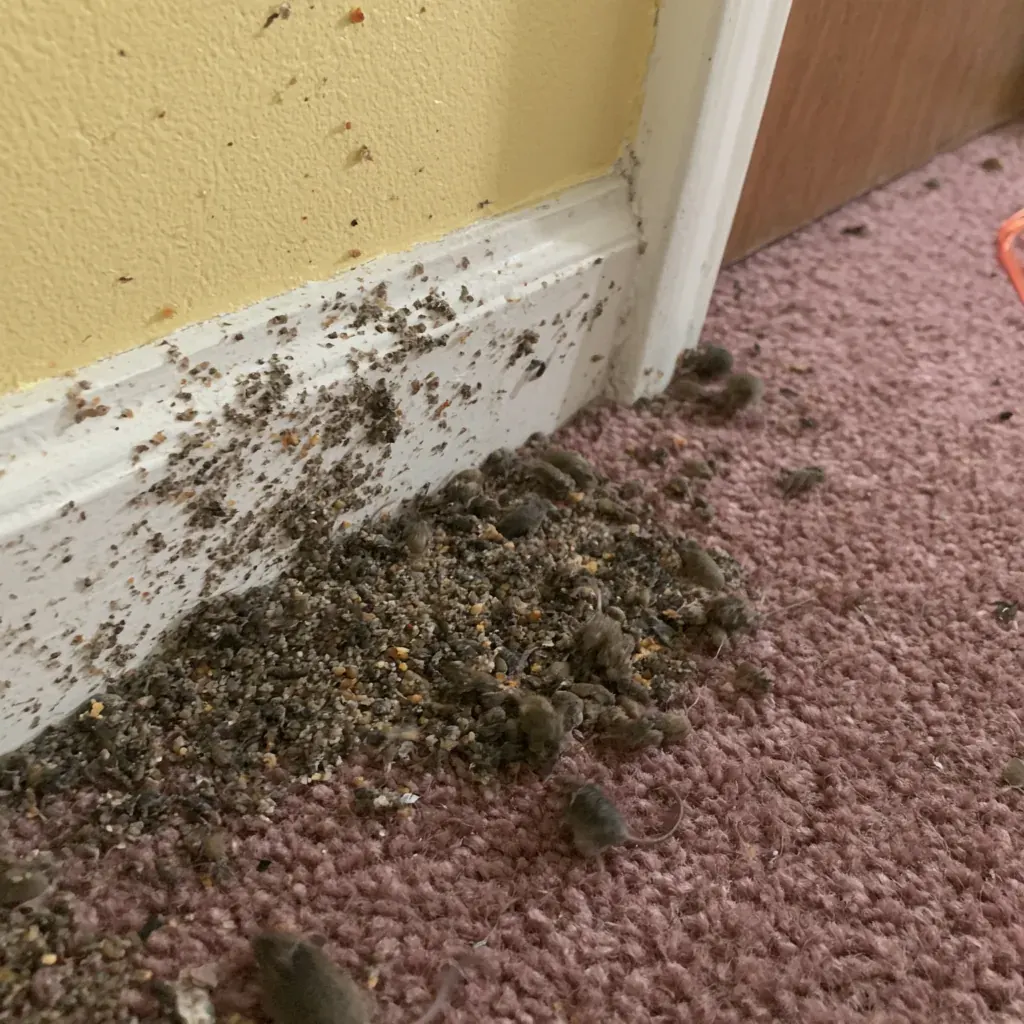
A rat or mouse can be hard to identify from a quick glimpse. Check size, tail shape, droppings, and activity signs in order, then share what you observed.
Read article
See which changes may indicate active rat burrows around a South Bend home, why an opening can mislead, and when a closer assessment may help.
Read articleIf you are looking for service near Leeper Park or elsewhere in South Bend, provide the property location and the signs you have seen. The pros we connect you with can tell you whether they serve that address and when an inspection might be possible. Ask whether the visit carries a charge, what the written plan would include, and whether follow-up or warranty terms are offered. A clear scope helps you understand the proposed work before scheduling.
Call (574) 891-1078