Warehouse Rodent Control
Warehouse Rodent Control
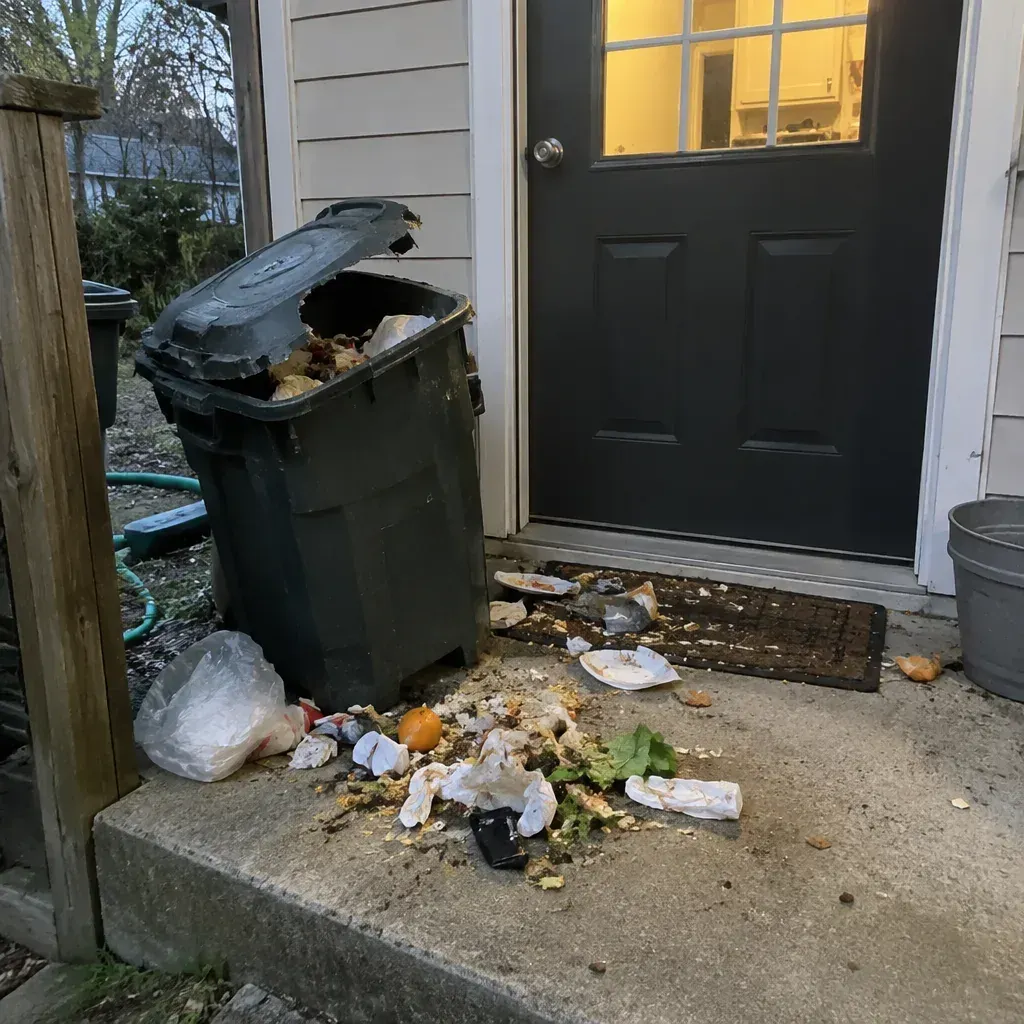
Track activity by area and coordinate checks with food handling, sanitation, and facility access needs in South Bend.
Food processing facilities can record rodent signs by area, coordinate checks with sanitation and operating schedules, and keep access and service notes. An assessment can guide device placement, exclusion work, and follow-up around production and storage.
Food processing rodent control starts with protecting product and keeping staff clear of any area where contamination is suspected. If you find signs near exposed ingredients, packaging, or finished goods, follow your facility’s food safety procedures and involve the responsible staff before cleanup or treatment. In South Bend, a useful plan connects each observation to a production or storage zone, then sets out who can assess it, what access is allowed, and how results will be recorded. The sections that follow move from locating activity to coordinating control and checking whether it holds.
A useful monitoring record separates a new sign from one already documented, because that distinction helps show whether activity has shifted. Note the date, exact room or line, sign type, and nearby conditions such as a door left open or a change in storage. Rodents in food facilities may leave droppings or gnaw marks, but an isolated clue does not establish the full route. In South Bend, staff observations from each shift can give the pros we connect you with a clearer starting point for inspection.
Map the relationship between receiving, ingredient storage, production, and waste areas so a sign in one zone can be considered alongside nearby movement paths. Mark walls, interior doors, and utility penetrations that connect those spaces, then note where staff saw activity and when. This helps the pros we connect you with test whether separate reports may belong to one route or need separate attention. For South Bend facilities, a readable zone map can also help supervisors and sanitation staff discuss findings without relying on vague room names.
Control work has to fit the facility’s food handling rules at the point where it occurs. Before service, identify exposed product, packaging, utensils, and surfaces that could be affected, then agree with the responsible staff on isolation, protection, and release steps. Tell the pros we connect you with when sanitation work begins and ends, since cleaning can remove signs or change access to a zone. In South Bend, a written handoff between pest service and food safety staff helps ensure treatment activity does not interrupt required handling procedures.
A production schedule can limit when a technician may enter a room or approach equipment, so share access rules before the visit is arranged. Explain escort requirements, protective clothing, lockout or restricted areas, and any periods when nearby work cannot pause. The pros we connect you with can then coordinate entry and inspection with the site contact who controls those spaces. For South Bend operations, keeping the access instructions with the service request reduces delays and helps staff know which areas will be visited during a shift.
| Area | Activity signs | Access needs |
|---|---|---|
| Activity clues | Describe droppings, gnawing, or sounds | Keep observations clear of exposed product |
| Room identity | Use the plant’s room names | Tie each note to its location |
| Sanitation window | Record when cleaning limits access | Arrange checks around washdown |
| Line status | Flag equipment needing safe clearance | Confirm access with line leads |
| Goods handling | Mark nearby ingredients or packaging | Follow site food-handling procedures |
| Entry concerns | Note gaps at doors or utilities | Route repairs through site contacts |
| Service access | List escort and entry requirements | Set visit timing with operations |
| Open findings | Compare notes from prior checks | Revisit areas with continuing signs |
An inspection can guide whether traps, baiting, exclusion work, or a combination suits the observed activity and facility conditions. Food plant mice may travel along concealed edges or enter through openings near service lines, so a device placed without evidence of a route may miss the source. Ask the pros we connect you with to explain how inspection findings support the proposed steps and what production areas those steps affect. In South Bend, that discussion gives the site a basis for coordinating control with its own safety and access procedures.
Look beyond interior sightings to the building envelope and the transitions between spaces. Small gaps near pipes, doors, and foundations can provide access, while a door that does not close fully may leave a recurring route. Record the location and condition of suspected openings so maintenance staff can determine what repair is feasible. For a South Bend facility, the pros we connect you with can relate these observations to indoor signs; closing a confirmed route can reduce access even when other control measures address activity already inside.
Ingredient residues and waste can sustain rodent activity when they remain accessible between cleaning periods. Review how opened materials are contained, where sweepings collect, and whether refuse staging creates an opportunity before removal. Keep food in closed storage and remove accessible debris under the facility’s sanitation procedures; these steps reduce available food but do not repair an entry gap. In South Bend, sharing the routine with the pros we connect you with helps distinguish a sanitation issue from a building access concern and directs follow-up to the right staff.
Monitoring devices should be positioned around evidence of movement while staying within the facility’s access and food safety rules. Ask the provider to identify each device location, its purpose, and how staff can avoid disturbing it during cleaning or production. A location log lets a shift lead report a missing, displaced, or activated device with useful context. For South Bend facilities, the pros we connect you with can explain the inspection schedule and who to contact when routine work changes a monitored area.
Rodent follow-up monitoring means revisiting documented signs and control points to determine whether activity persists or a device needs attention. Compare each visit with the earlier record: a quiet point, a new sign elsewhere, or repeated activity in one zone calls for different questions. Timing should follow the service plan and the site’s operating constraints. In South Bend, ask the pros we connect you with what will trigger a change in approach and how that decision will be shared with the facility contact.
Keep service records that let a manager connect an observation with a location, action, and outcome. Include inspection notes, device status, repairs requested, access restrictions, and any operational change that affected the visit. A record that says only that service occurred gives the next reviewer little basis for understanding what changed. In South Bend, make the notes available to the staff responsible for sanitation and food safety, so open items can be followed through and new activity can be compared with earlier findings.
If your organization operates more than one facility, use a consistent record structure while preserving each building’s own zone names, procedures, and access rules. That allows managers to understand reports across locations without treating different production layouts as interchangeable. Keep local contacts and unresolved maintenance items attached to the relevant facility record. The pros we connect you with can use that context when coordinating service at a South Bend site, while the facility team retains a clear account of its own findings and decisions.
For a facility-specific assessment, gather dated activity observations, affected zones, sanitation schedules, and access requirements. Add production or storage areas where signs were found, relevant restrictions on entry, and any recent change that may help explain the observation. The pros we connect you with can use those details to plan an inspection around your operations and discuss appropriate control and follow-up. If you are arranging an assessment in South Bend, include the site contact who can explain food handling and approve access to restricted spaces.
When arranging a South Bend assessment, give the facility address, a site contact, and clear entry instructions; mention whether a nearby reference such as Howard Park, Leeper Park, or Rum Village Park helps clarify directions. Then ask how observations, proposed steps, and follow-up findings will be documented for your team. The useful next question is whether the assessment can cover the specific production and storage zones you are concerned about, within your access and sanitation schedule. That conversation helps you prepare without assuming every facility needs the same plan.
Rodent follow-up monitoring costs can change with the number of production and storage areas to review, the access arrangements, and how often checks are included in the service plan. In South Bend, keep site labels precise; references such as the St. Joseph River, Potawatomi Park, or Hydro Extrusions belong in records only when they help identify the facility. Gather activity notes, affected zones, sanitation timing, and entry requirements before requesting an assessment. That gives the pros we connect you with useful context without assuming every plant runs the same way.
These community links let you review where the pros we connect you with may discuss rodent control for residential properties in St. Joseph; ask about your address, includingOsceola, South Bend and Granger. Ask what the service includes, then check whether a trip fee applies if the property sits beyond the provider’s usual area.
A warehouse quote often starts with each scheduled service call, then reflects the area covered and the visit pattern; $80–$175 gives a guide figure. Inventory density, loading zones, access gaps, and the planned scope for inspection, traps or bait stations, exclusion work, and device checks can affect the estimate.For a South Bend business, the area needing attention, access constraints, device locations, and any requested sealing can change the materials and labor in the plan, which changes the quote. When you call, describe the building’s use, affected rooms, and signs found so the pros we connect you with can size the work.Find complete rodent-control band details in pricing guide; commercial overview outlines the parts of a scheduled program.
Warehouse Rodent Control
South Bend • Howard Park
Office Rodent Service
Use consistent observation points near production, ingredient storage, finished goods, and receiving areas, with placement reviewed for each site's food-handling conditions. Note fresh droppings, gnawing, or other signs by exact location; those observations help identify where rodents may be moving. In South Bend, keep records tied to the facility name and zone so staff can compare findings over time and flag areas that need attention.
Yes. Share when lines are operating, when cleaning occurs, which rooms have restricted entry, and when a site contact can provide access. Mention whether stored goods or production equipment need protection while monitoring devices are checked. In South Bend, stop work in any area where food handling or access rules cannot be maintained safely, then coordinate a suitable time with site staff.
Record the observation date, exact location, sign or device finding, and any action taken. Include changes in sanitation timing, stored materials, or room access when they could explain a new pattern. A clear log helps South Bend facility staff compare production and storage areas and gives the pros we connect you with a useful basis for follow-up discussions.
Collect examples of activity, mark which rooms or storage areas are affected, and note sanitation routines and entry restrictions. Describe where food, packaging, or supplies are stored and which areas need careful monitoring. For a South Bend facility, a clear site outline helps the pros we connect you with assess the conditions and discuss suitable monitoring or control steps without disrupting food-handling procedures.
For South Bend facilities near the St. Joseph River, ask the pros we connect you with to consider whether riverfront access affects receiving and stored-food boundaries.
Call (574) 891-1078