Warehouse Rodent Control
Warehouse Rodent Control
Coordinate healthcare rodent control by facility zone, with patient care, restricted access, and service routines in view.
Healthcare facilities can report rodent signs by building zone, coordinate access around patient care and room restrictions, and share food, waste, and service-area conditions. Keep location records current and assign a facility contact to coordinate assessment and follow-up.
Rodent activity in a healthcare facility needs a clear report and a plan that fits the affected area. In South Bend, note whether the concern is in a patient care space, staff area, or service zone before arranging a rodent inspection. The cost of that assessment can vary with the scope of areas to review and the coordination needed to reach them. Do not treat a sighting as proof of a wider problem; record what was observed and let the assessment guide next steps.
A useful report gives the facility team a starting point they can act on. In South Bend, record the room or zone, when the sign was noticed, what was seen or heard, and whether anyone has reported it again. Droppings or gnaw marks can indicate activity, but an assessment helps determine what they mean at that location. Keep the note factual and route it through the facility’s chosen contact so follow-up does not depend on informal messages or memory.
Separating reports by zone helps staff see whether concerns are isolated or appear in connected parts of a facility. A simple floor plan can mark patient, staff, and service locations without including patient details. For a South Bend facility with multiple buildings, identify each building and area in the record so reports are not combined under a vague site label. The pros we connect you with can use those observations to focus an assessment and discuss which areas need attention first.
Patient care spaces require planning around the work happening there. Before access is arranged in South Bend, identify any room that needs approval, an escort, or a care team contact, and note when entry would interrupt care. Do not assume a treatment step can happen during a routine visit. Clear coordination lets the assessment proceed without asking staff to leave a patient area unattended, and it gives the facility a chance to explain any local access limits before work is scheduled.
Staff areas can produce reports that differ from patient spaces because people use them at separate times and for different tasks. In South Bend, give staff one known route for reporting signs and explain what details to include, such as the room and time noticed. If concerns involve food or waste, record where those items were present rather than guessing at a cause. A consistent process helps the facility compare reports and decide whether an assessment should include an adjacent area.
| Facility area | Activity noted | Access needs |
|---|---|---|
| Patient rooms | Record unit and nearby signs | Plan access with the care lead |
| Staff workrooms | Note shift and supply concerns | Route details through the unit contact |
| Receiving doors | Mark delivery windows and door locations | Align visits with the receiving lead |
| Food preparation | Note exposed supplies or crumbs | Avoid interrupting meal preparation |
| Waste holding | Record container location and pickup routine | Coordinate with environmental services |
| Restricted suites | State entry limits and escort needs | Confirm access before scheduling |
| Campus reference | Pair building name with town | Separate South Bend, Osceola, and New Carlisle records |
| Follow-up review | Track repeat signs and device status | Set review timing with the provider |
Service areas can connect deliveries, utilities, storage, and waste handling, so a report there may need context beyond the room name. In South Bend, note whether activity was observed near a receiving door, pipe opening, storage space, or waste holding point. Rodents can use openings to enter a building, and inspection may identify possible access routes. The observation helps the facility understand what to review without assuming that every loading or utility area has the same conditions.
Where food is handled or stored, accessible crumbs and unsealed supplies can provide a food source. Keep food in suitable sealed storage and include relevant handling or cleanup conditions in the service-area report. In South Bend, describe the location and routine involved so the facility can consider whether a change is practical for that space. Sanitation can support control, but it does not close an opening rodents may use, so the assessment may need to consider both conditions.
Deliveries and waste movement can affect when a service zone is clear enough to assess. In South Bend, note receiving windows, periods when equipment blocks access, and times when the space must remain available to staff. These details help the facility coordinate entry without disrupting routine work. If a concern is near a door or utility route, make that location easy to identify when access is arranged; otherwise, the relevant point may be missed during a limited visit.
Operating hours shape which parts of a facility can be reached and when staff can accompany the pros we connect you with. In South Bend, list any space that is occupied, secured, or in regular use during the day, then identify a workable access window. Some areas may be reviewed during ordinary operations, while others call for advance coordination. Planning around use of the space helps avoid interruptions and gives the assessment a better chance of covering the reported concern.
Access works best when responsibility is clear before a visit is arranged. In South Bend, identify the person who can approve entry, the contact for an escort, and any team that needs notice. Share only the access information needed to reach the relevant zone. If a room remains unavailable, record that limit and arrange a suitable follow-up rather than treating an incomplete review as a full picture. This keeps the facility’s next decision tied to what could actually be assessed.
For facilities spread across South Bend, prioritize review using the reported signs, the areas involved, and whether earlier concerns remain unresolved. A report near a patient area may call for different coordination than one in a storage zone, even when both need attention. The facility can use this distinction to plan access and determine where an assessment should begin. Keep the basis for priority visible in the record so staff understand why one location is addressed before another.
A shared record helps staff compare facility locations without losing the details that make each report useful. For South Bend sites, include the building, zone, observation date, reported sign, access limits, and any follow-up status. Keep patient information out of pest notes unless facility policy requires a specific handling process. When the record shows what was reviewed and what remains open, the facility can coordinate the next visit and see whether the service plan needs attention.
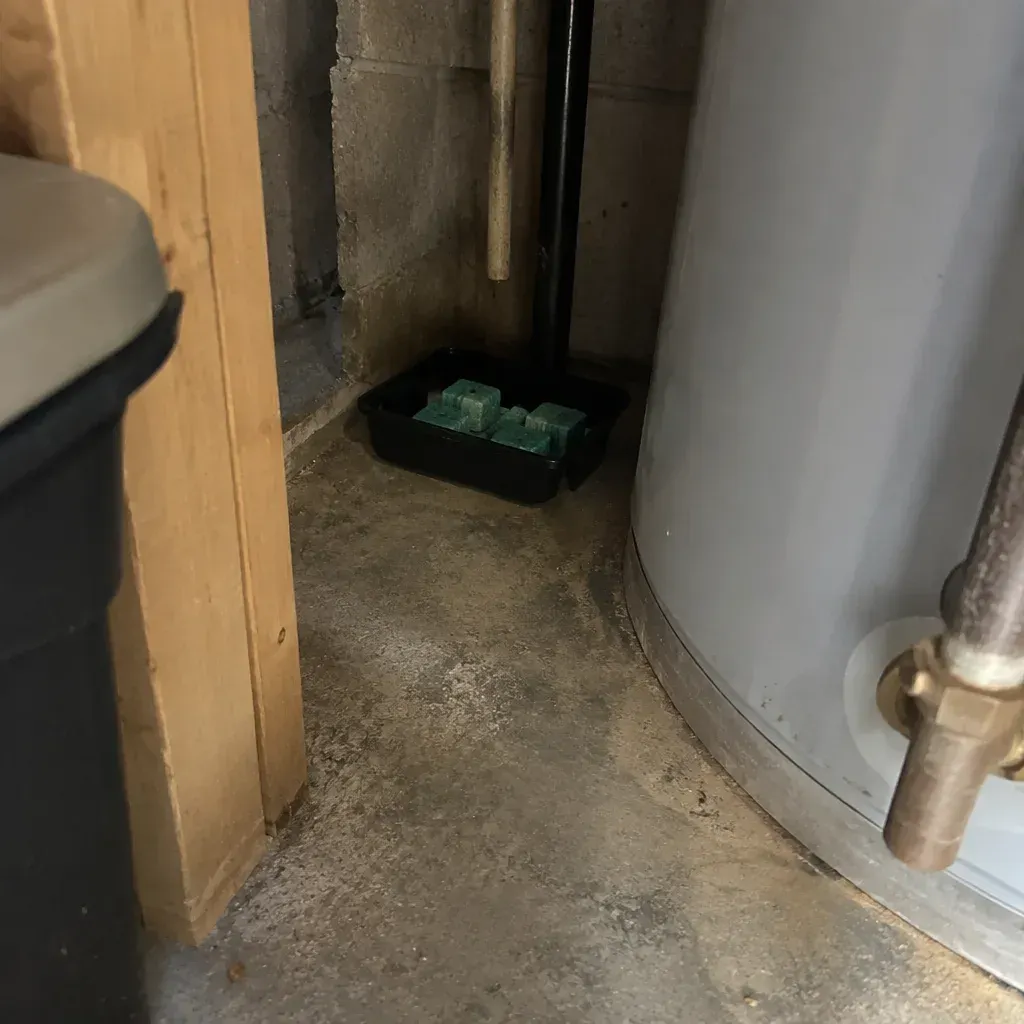
After assessment, control steps should reflect the findings at the affected location. The pros we connect you with may recommend trapping, baiting, or sealing an opening, depending on conditions and their service approach. In South Bend, ask how any devices will be placed and checked, and whether an identified gap needs attention. Traps or bait address activity; closing access points can help limit entry. Follow-up checks can show whether activity continues, with timing set by the service plan.
Before arranging an assessment in South Bend, gather the reported locations, access limits, operating needs, and facility contacts who can coordinate entry. Add relevant food, waste, or delivery conditions when they relate to the reported zone. If the facility has locations near Potawatomi Park, Leeper Park, or Rum Village Park, use its own building and room identifiers rather than relying on a landmark to direct the visit. Clear notes give the pros we connect you with a practical starting point.
The cost of a rodent inspection at a healthcare facility can depend on how many areas need review, the access arrangements, and whether patient care or service schedules limit when staff can accompany the pros we connect you with. In South Bend, prepare a facility map or zone list and note where activity was reported, including staff, patient, storage, and waste areas. A clear account helps the assessment focus on relevant conditions; follow-up needs can depend on what it finds and how activity changes.
These community links let you review where the pros we connect you with may discuss rodent control for residential properties in St. Joseph; ask about your address, includingMishawaka, Osceola and South Bend. If your property is near the edge of coverage, verify availability and ask whether travel or individual visits add charges.
Commercial accounts are commonly priced by service appointment; the facility’s scale and planned appointment cadence shape the quote. $80–$175 is a guide figure. In a restaurant, storage arrangement, refuse handling, access conditions, and the agreed scope for inspection, device placement, gap sealing, or monitoring can change the work.For a South Bend business, the area needing attention, access constraints, device locations, and any requested sealing can change the materials and labor in the plan, which changes the quote. When you call, describe the building’s use, affected rooms, and signs found so the pros we connect you with can size the work.Find complete rodent-control band details in pricing guide; commercial overview outlines the parts of a scheduled program.
Warehouse Rodent Control
South Bend • Howard Park
Office Rodent Service
Record the time, the facility zone, and what staff actually observed, such as droppings, damaged packaging, or sounds behind a wall. Identify whether the report came from a patient area, staff space, food room, or service corridor. Keep secondhand reports distinct from direct observations. That detail helps the pros we connect you with assess where activity may be occurring without treating every part of the building as affected.
Share patient-care schedules, room restrictions, escort rules, and any periods when a service corridor or loading area is available. A facility contact can help plan access around clinical work and explain which rooms require special coordination. If a location cannot be entered during the first visit, record that limit so the assessment plan can account for it. The pros we connect you with can then discuss practical timing with the site contact.
Keep a facility record that links each report to its building, zone, date, and observer, then add what was assessed and any agreed next step. Note when access was limited and who can clarify the area’s use. Later observations belong with the same location history, so staff can tell whether activity is new, recurring, or absent after follow-up. South Bend sites should keep their own records distinct when an organization operates more than one facility.
Review food storage, meal preparation, deliveries, and waste handling in the areas connected to a report. Keep food secured and remove accessible scraps through the facility’s normal sanitation process; accumulated waste or spills can provide rodents with resources. Staff should tell the assessment contact when these routines change access or activity. This helps the response address conditions around the affected zone as well as the reported signs.
Before arranging a South Bend assessment, gather zone reports, access limits, operating needs, and the contact who can coordinate with staff.
Call (574) 891-1078